Happy Book Week! ✨
As a Speech Pathologist and a Mum, stories are one of my favorite tools for connection. Inclusive books foster deep understanding and empathy, opening the door for honest, beautiful discussions with our little ones.
I have a curious 4-year-old who is learning to navigate the world around him. Kids are naturally kind, compassionate, and understanding—they inherently want to know how they can adapt so everyone gets to join in on the fun. These stories are such a great first step toward those meaningful conversations.
Representation matters. When children see characters who use AAC devices, wheelchairs, hearing aids, or navigate the world neurodivergently, it normalises human diversity. I want my children to grow up in a much more inclusive and accessible world, and that starts with the stories we read today.
Here are some of the books we have loved reading and talking about 🧡
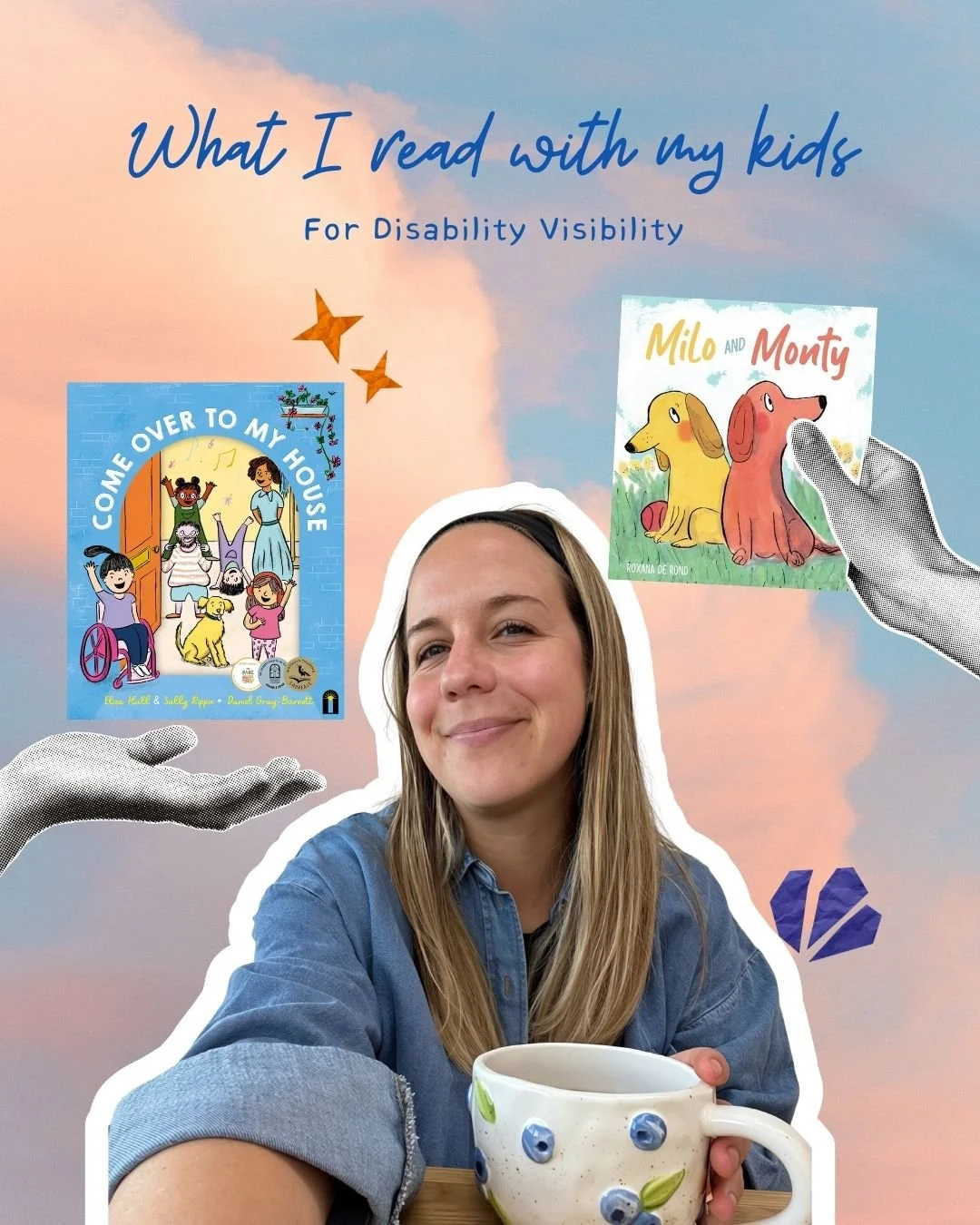
Come Over to My House by Eliza Hull and Sally Rippin This delightful picture book explores the homes of various children and their deaf or disabled parents. It showcases a wide variety of adaptive tools in a warm, everyday context.
Conversation starter: "Look at how this family uses a ramp to get inside! How do we enter our house, and how can we make sure our friends can visit us easily?"
Milo & Monty by Roxanne McDonald A story centered around brotherhood and connection, highlighting how two siblings interact with the world in their own unique ways. It provides a sweet, relatable entry point for discussing neurodiversity, sensory needs, and how love looks different for every family member.
Conversation starter: "Monty and Milo express their happiness in different ways. What makes you feel happy, and how do you show it?"
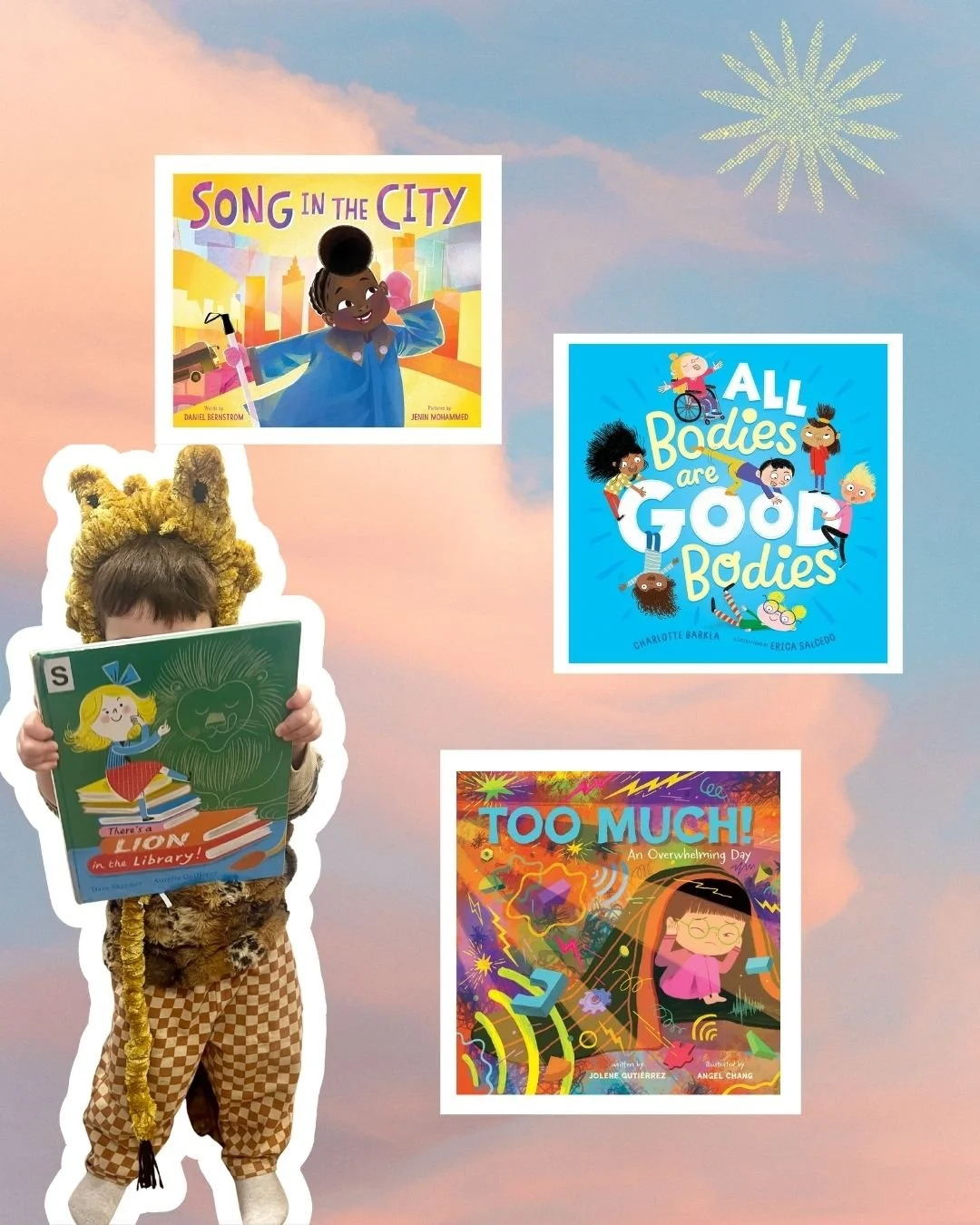
Song in the City by Daniel Bernstrom Filled with rhythm and sensory imagery, this book follows Emmalene, a young girl who is blind, as she guides her grandfather to hear the music hidden in the bustling noise of the city. It shifts the focus from what someone might lack to the rich, unique ways they perceive the world.
Conversation starter: "If we close our eyes right now, what 'music' or sounds can we hear in our room that we didn't notice before?"
All Bodies Are Good Bodies by Charlotte Barkla A vibrant celebration of every shape, size, capability, and feature. From skin tones and hair textures to limbs and mobility devices, this book instills a foundational message of body positivity and self-acceptance from an early age.
Conversation starter: "What is one amazing thing your body helped you do today? (Like running, hugging, or painting!)"
Too Much! by Jol and Kate Temple This insightful story captures the experience of sensory overload from a child's perspective. It validates big feelings and high-stimulation environments, teaching children self-advocacy and helping peers understand why someone might need a quiet break.
Conversation starter: "Sometimes noise or crowds can feel like 'too much' for our brains. What helps you feel calm when things get too loud?"
Books are small windows into big worlds. By reading stories that reflect all kinds of bodies, brains, and communication styles, we give our children the tools to build a kind, accessible future.